
MOTS-C and bodybuilding
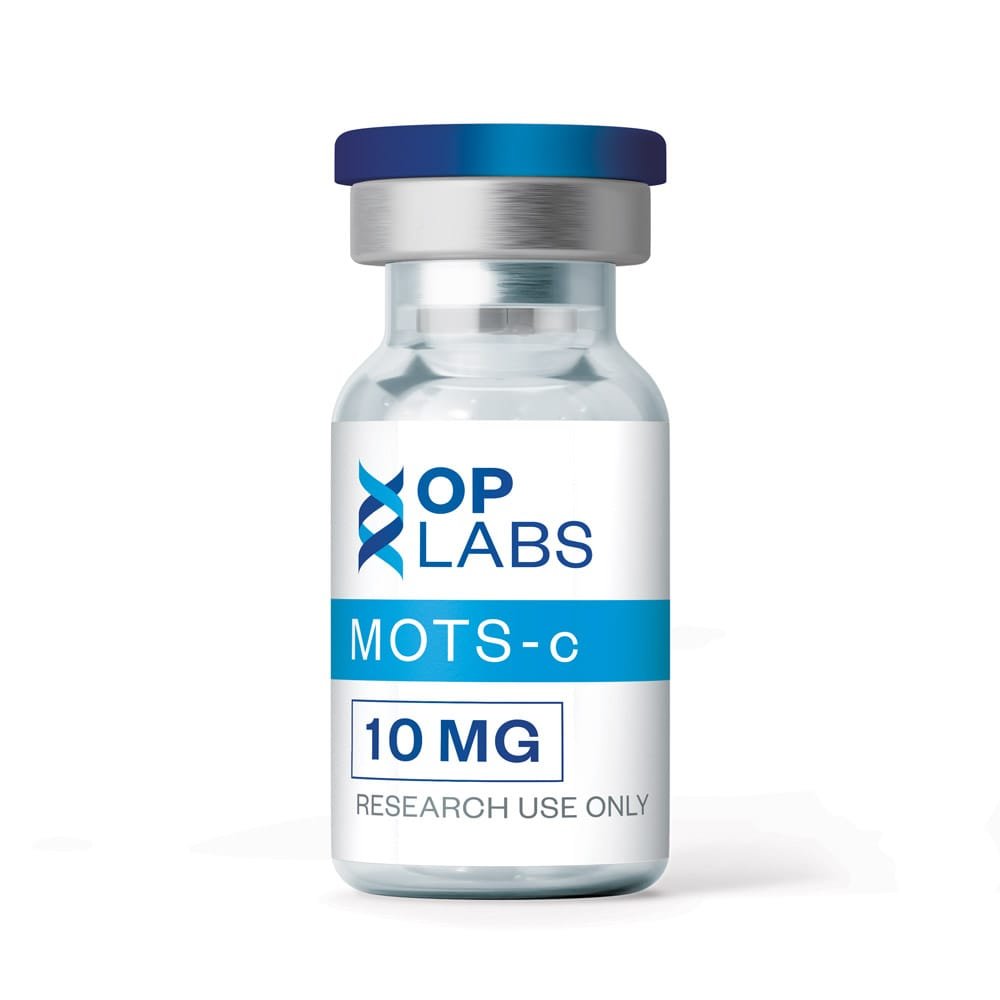
MOTS-C and bodybuilding
By now, you already know about the increased use of experimental peptides within the U.K bodybuilding scene. One of those naturally occurring peptides that is gaining traction within a competition prep scenario is MOTS-c (Mitochondrial ORF of the 12S rRNA Type-C). It is used for enhancing energy levels, improving insulin sensitivity, increasing fat burning and much more. Therefore, the purpose of this article is to explain how MOTS-c works and its place within bodybuilding.
What DOES MOTS-C DO?
First things first, what is mitochondria? They are often described as the powerhouse of cells within your body. They are responsible for energy production using the food you consume, and oxygen you breath to make readily available energy. They also perform other crucial roles such as cell signalling, cell growth, cell death and heat production to maintain core body temperature.
Now, when it comes to the mechanisms of action and how MOTS-c works, these are very complex and difficult to wrap your head around. With that being said, lets breakdown what it does opposed to how it does it.
Fat burning: When energy levels are low it actives an enzyme called AMPK (activated protein kinase) which is a crucial energy sensor. When active it tells cells to switch to burning fat for fuel and inhibits lipid synthesis (fat building). It also boosts glucose uptake into muscle and supresses its uptake in fat cells. As a consequence, energy levels and insulin sensitivity drastically improve.
Stress response: MOTS-c promotes genes that fight oxidative stress, protecting cells from damage. Oxidative stress is an imbalance in your body where unstable molecules (free radicals) overwhelm your defences (antioxidants), causing cell damage. This activation makes your body more resistant to stress and the effects stress has on the body. As a result your bodies mitochondria maintain their function and efficiency even in an extreme calorie deficit (competition prep).
Anti-aging: levels of MOTS-c decrease with age as do the efficiency of our mitochondria, supplementation shows potential for age related metabolic decline.
Exercise mimetic: exercise naturally increases MOTS-c therefore supplementing it can mimic all the benefits that come with that (increase insulin sensitivity, fat loss, increases metabolism) making it a target for conditions like obesity and Type 2 diabetes.
Use within bodybuilding
Bodybuilders will get the most benefit from MOTS-c whilst they are in competition prep. Why? If you didn’t already know, dieting for a competition requires months of calorie restriction and a rigorous training regime. During that time mitochondrial function in fat tissue can be supressed, potentially contributing to the difficulty of sustained weight loss. Alongside this, when competitors hit around 8 weeks out or so energy levels hit rock bottom, and many bodybuilders describe themselves as feeling ‘f**ked’ the majority of the day. We are left with a scenario by which fat loss has slowed accompanied by low energy levels. However, that athlete may still have 4-5kg to lose before the are ‘ready’. Enter MOTS-c.
Mitochondrial function is boosted (increased fat loss), overall energy levels increase and their body is more resilient to stress. Athletes now have more energy to push themselves in the gym to strive for more fat loss. That might mean they can increase the intensity of their cardio and/or duration, lower their food or up their step count. Not only this, but their body is physiologically better at burning fat. The result will often be an acceleration of fat loss, getting through what would typically be the hardest part of competition prep, with relative ease.
Masters competitors may use MOTS-c for anti-aging properties however I do not feel that this alone would give a more youthful look. In my opinion, if the goal was a more youthful look it would be best combined with GHK-Cu (click here to learn more on GHK-Cu).
It’s worthwhile noting that bodybuilders inject MOTS-c subcutaneously and have to do so frequently. This is because it has a relatively short half-life from 30 minutes up to 4 hours, meaning the time it takes for half the dose to be excreted from the body. Although it has a relatively short half-life the cellular processes it initiates, particularly AMPK, that lead to long-lasting biological effects and sustained changes in gene expression that can last for weeks.
In summary, MOTS-c is an experimental peptide which usage, specifically within a competition prep scenario, has increased dramatically with the U.K in recent years. It increases fat burning, boosts energy levels, increases antioxidants, makes the body more resilient to stress, increases mitochondrial efficiency, improves insulin sensitivity and mimics the effects of exercise. It’s use within the bodybuilding world can allow athletes to accelerate fat loss in the hardest phase of their competition prep with relative ease. MOTS-c is not approved for human use in the U.K and more research is required to determine its safety and long-term side effects.
Vaughan Wilson Bsc Hons